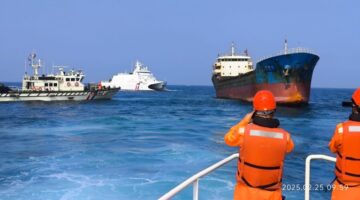
How the US should push the Quad-Plus to protect undersea cables
Ryan Claffey of the Center for New American Security argues in this op ed that the US and its allies need to up their game to protect undersea cables in the Indo-Pacific.
Ryan Claffey of the Center for New American Security argues in this op ed that the US and its allies need to up their game to protect undersea cables in the Indo-Pacific.

Undersea cable cut incidents will eventually spread to the Middle East, retired Vice Adm. Michael J. Connor and JINSA analyst Yoni Tobin argue in this op-ed, so the US must get ready.

Breaking Defense’s latest eBook brings together reporting from GEOINT 2026 on how intelligence leaders are shaping the future of space-based geospatial intelligence.
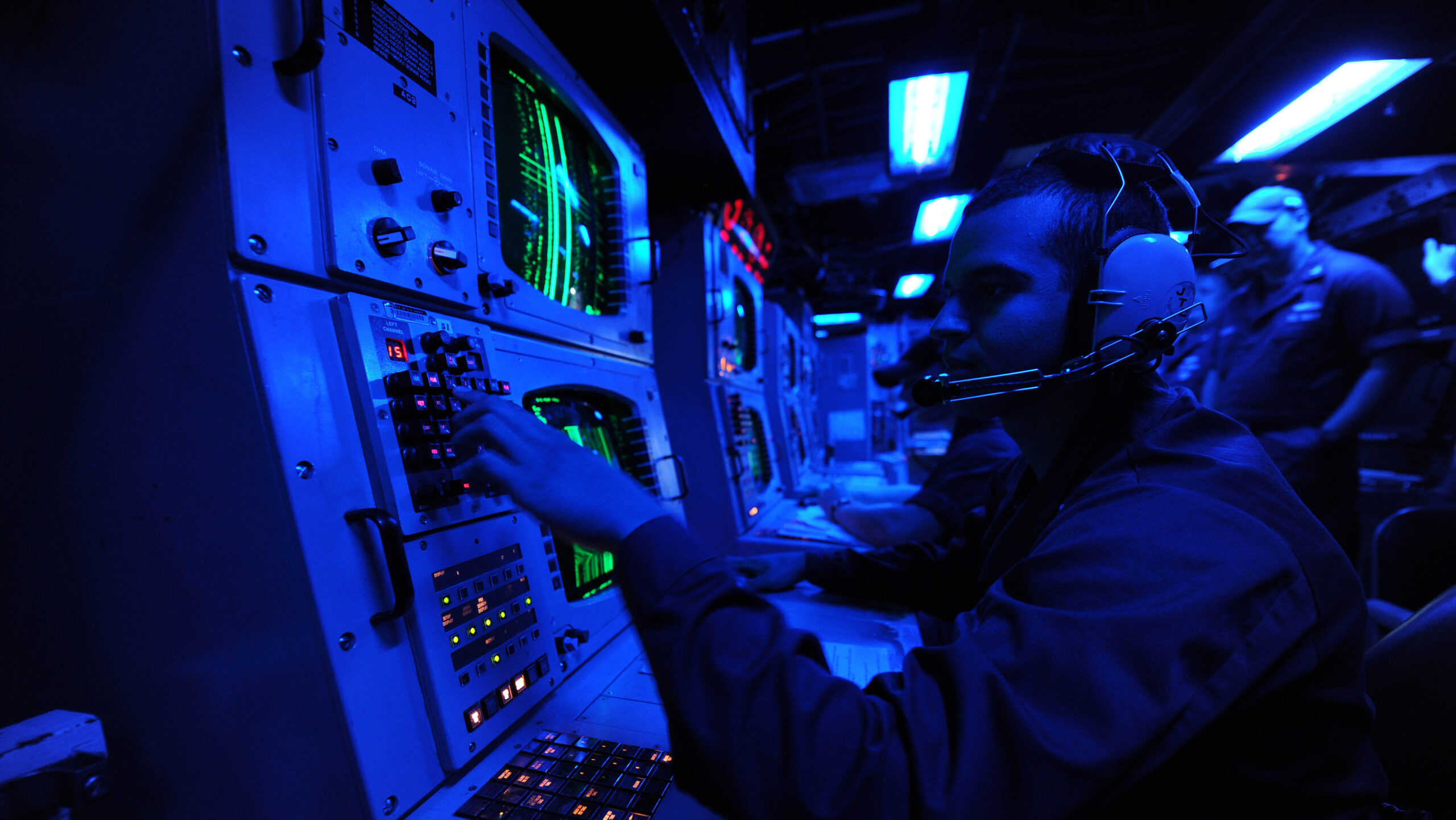
AI analysis of sensor data, including new kinds of quantum-based detection, could give a lethal edge in undersea warfare — to either the Australia-UK-US alliance or to China.
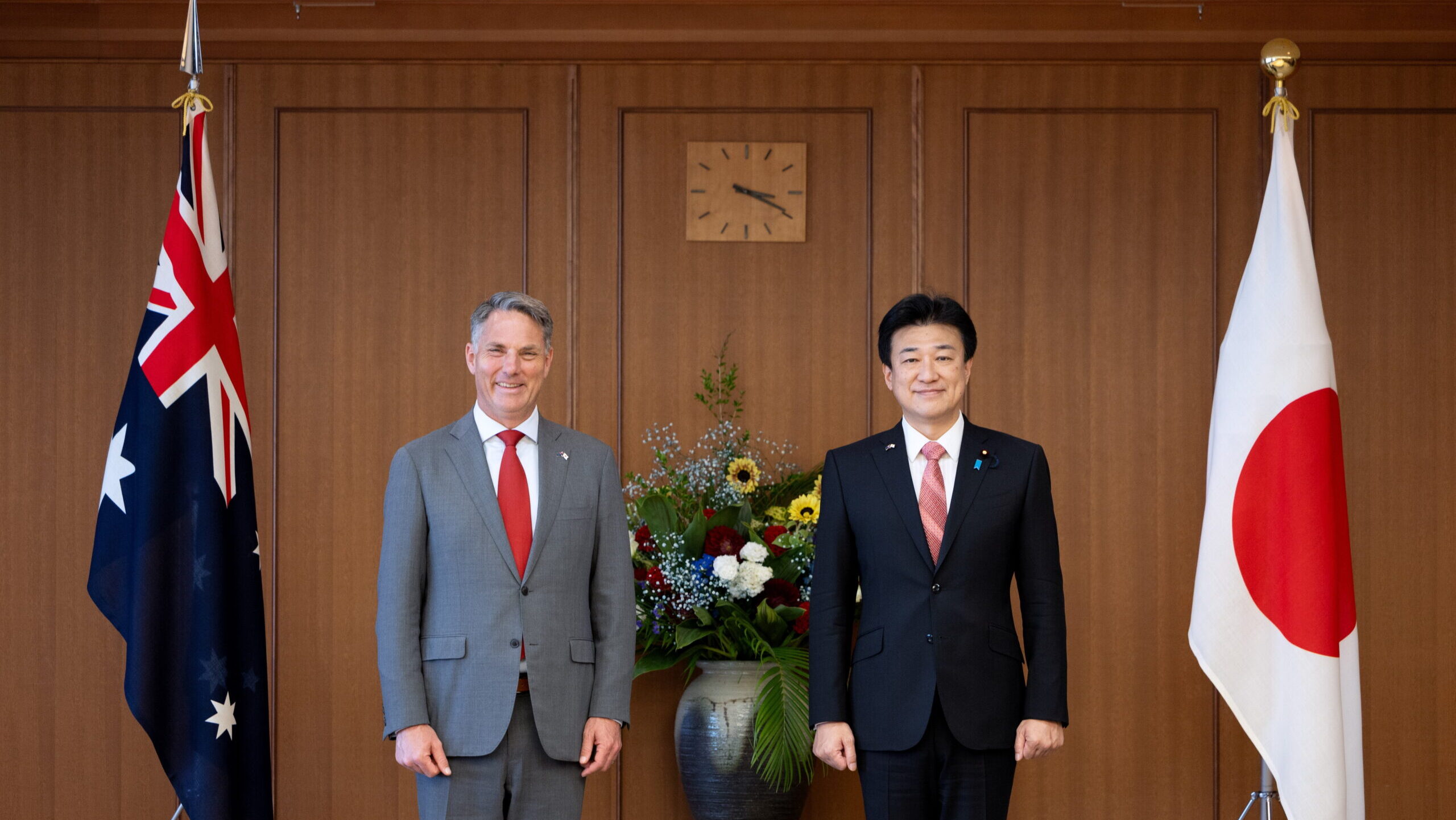
“This project will build a foundation for future joint research on robotic and collaborative autonomy, aiming to deliver advanced capabilities to support asymmetric advantage,” Tanya Monro, Australia’s chief defense scientist, said in a statement.
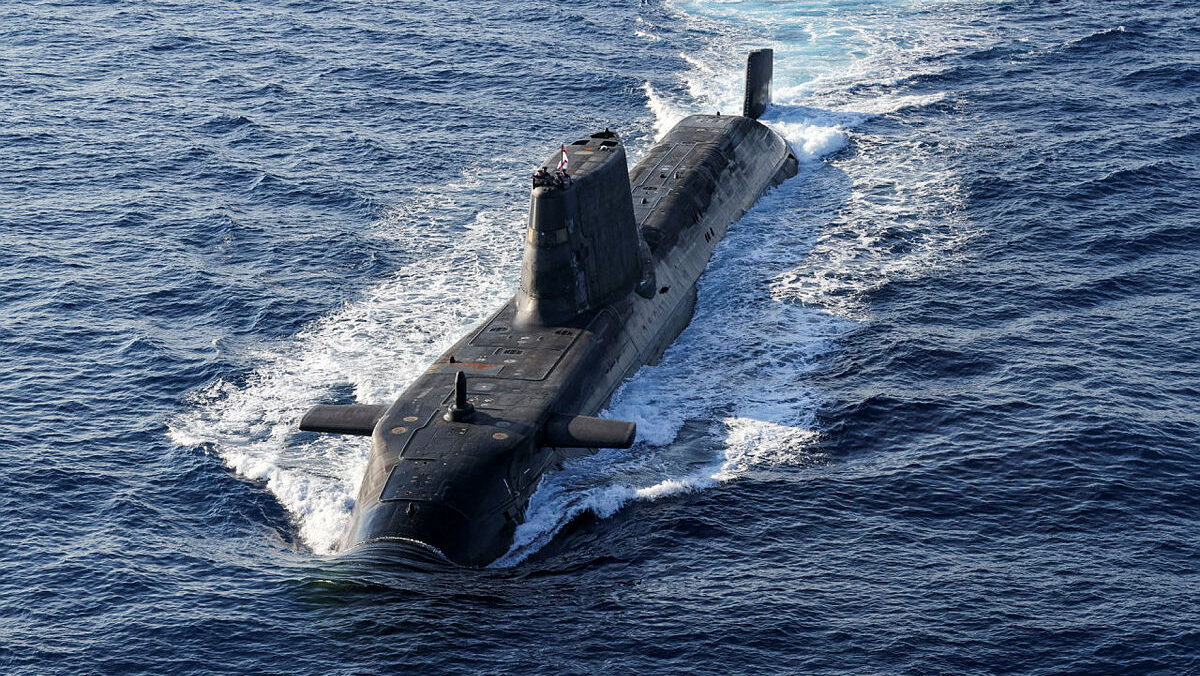
Adm. Ben Key, First Sea Lord of the Royal Navy, made his comments hours after Sweden stated that an undersea telecommunications cable between Sweden and Estonia had been damaged.

An explosion at the underwater Nord Stream pipeline has geopolitical consequences, and highlights the value and vulnerability of the bottom of the ocean.
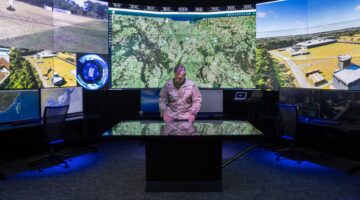
Lockheed Martin’s ACES platform delivers a shared virtual battlespace that strengthens readiness, interoperability, and faster decision-making through advanced, integrated modeling and simulation capabilities designed for evolving global threats.

The Hammerhead mine would be delivered to sites by underwater drones, and “detect, classify, and defeat” manned or unmanned submarines, the Navy says.

The 12-hull, $128 billion Columbia class program is the Navy’s cornerstone project not only for a new class of submarines, but also for the United States’ nuclear triad, which relies on a mix of air, land, and sea-launched nuclear missiles.